Overview
Conner Landscape Architects led the landscape architectural design for the modernization of Ramey Unit School in Aguadilla, Puerto Rico. Set on 27 tropical acres within the former Ramey Air Force Base, the PK–12 campus serves military-connected students and families of Puerto Rico based federal agencies.
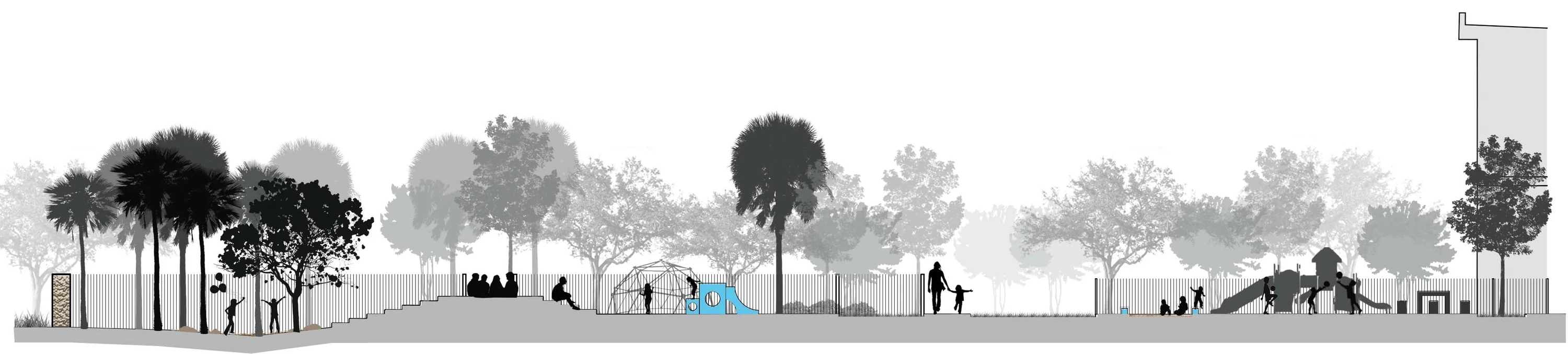
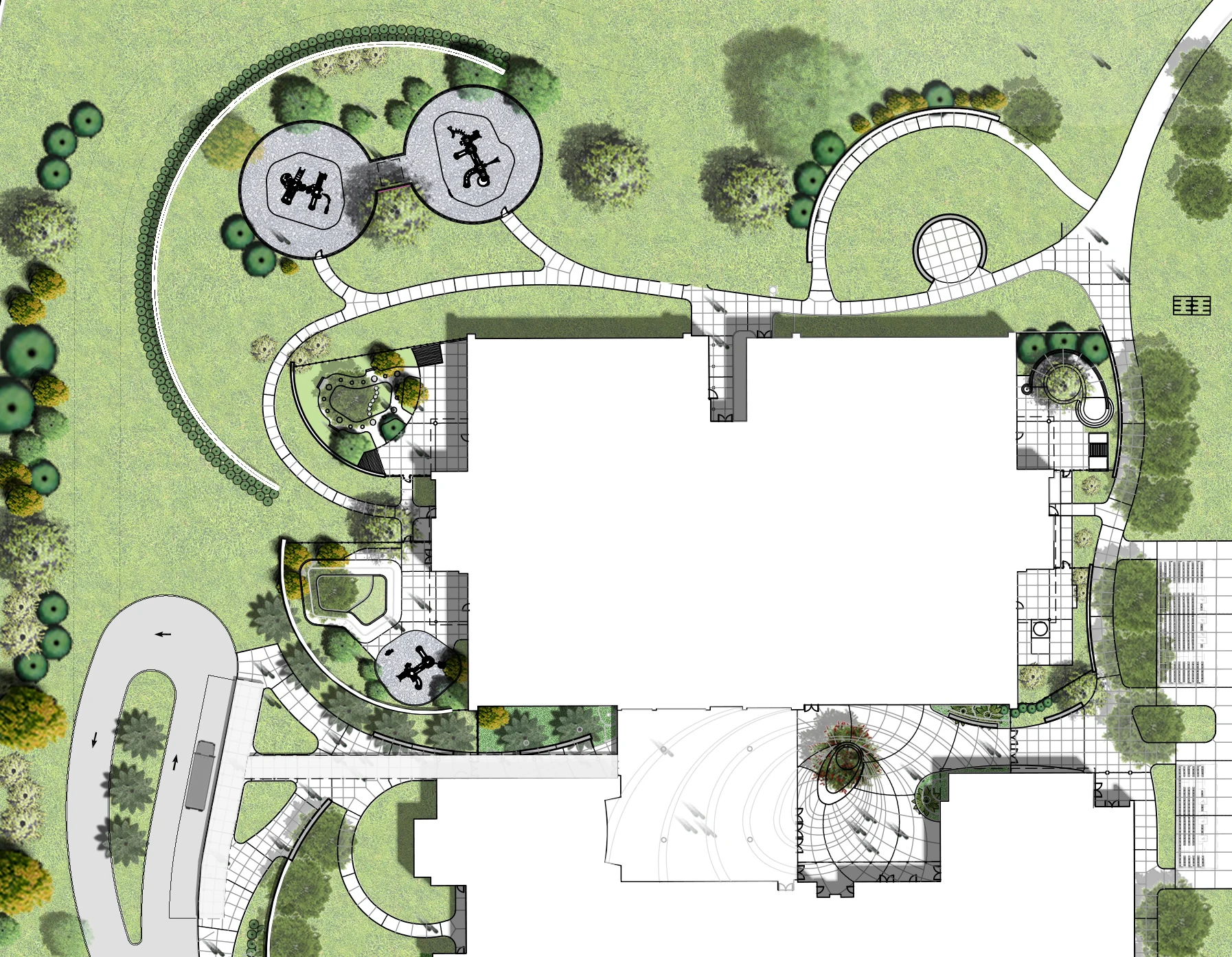
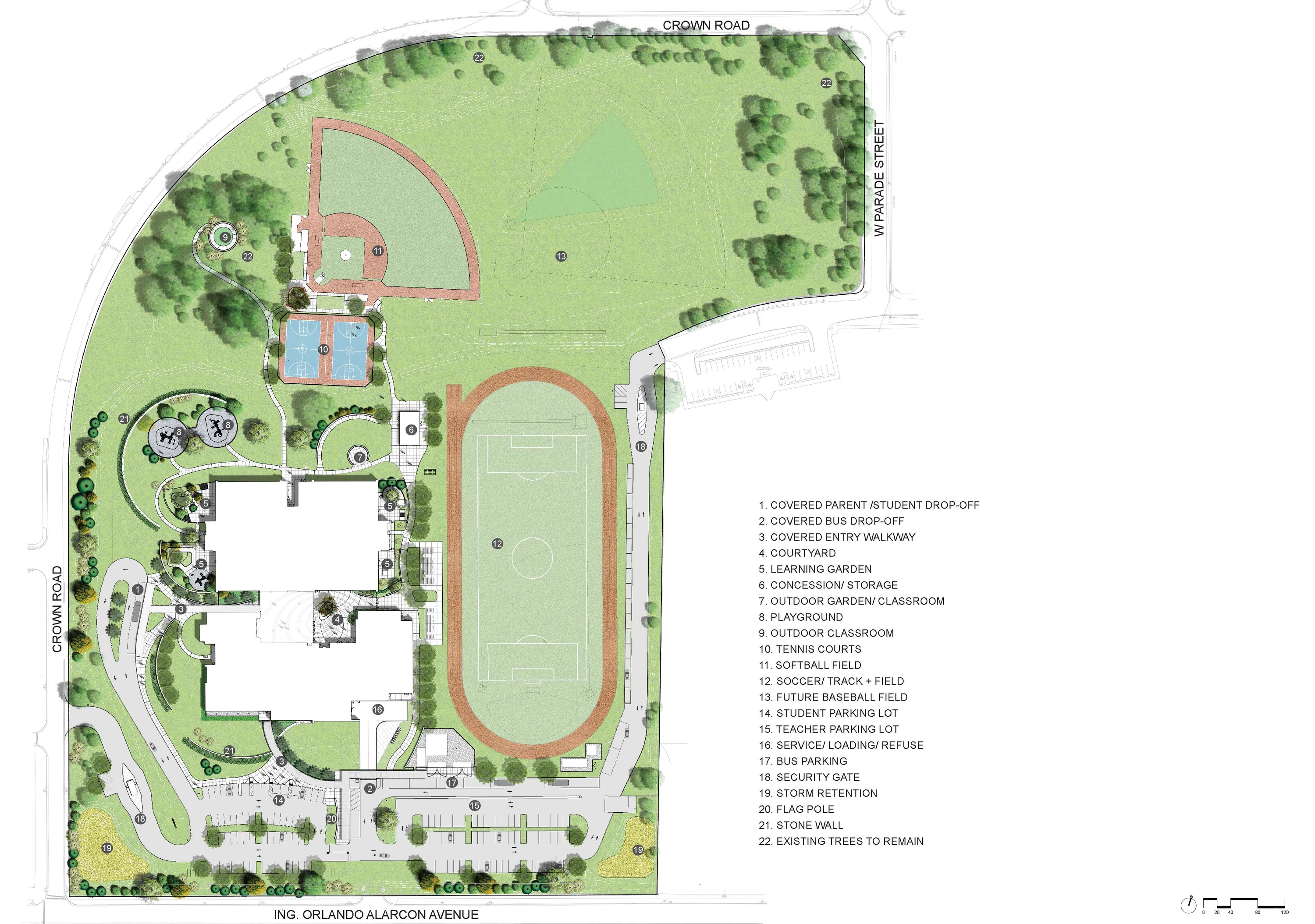
The project consolidates a dispersed campus into connected academic neighborhoods linked to shared dining, assembly, recreation, and outdoor spaces, creating a cohesive, climate-responsive environment. Conner integrated outdoor learning, recreation, and environmental discovery throughout the site, with secure play areas for younger students and flexible spaces for older students that support organized recreation, social interaction, and outdoor education.
Existing natural features and resilient landscape systems improve shade, circulation, safety, and environmental performance, positioning the landscape as an essential part of the educational experience.
Read more...
Design Response
The landscape framework establishes clear pedestrian circulation, secure entries, and visibility zones that meet USACE standards while maintaining a welcoming, student-centered identity. Outdoor classrooms, shaded courtyards, and flexible commons areas extend learning and support academic, social, and environmental programming.
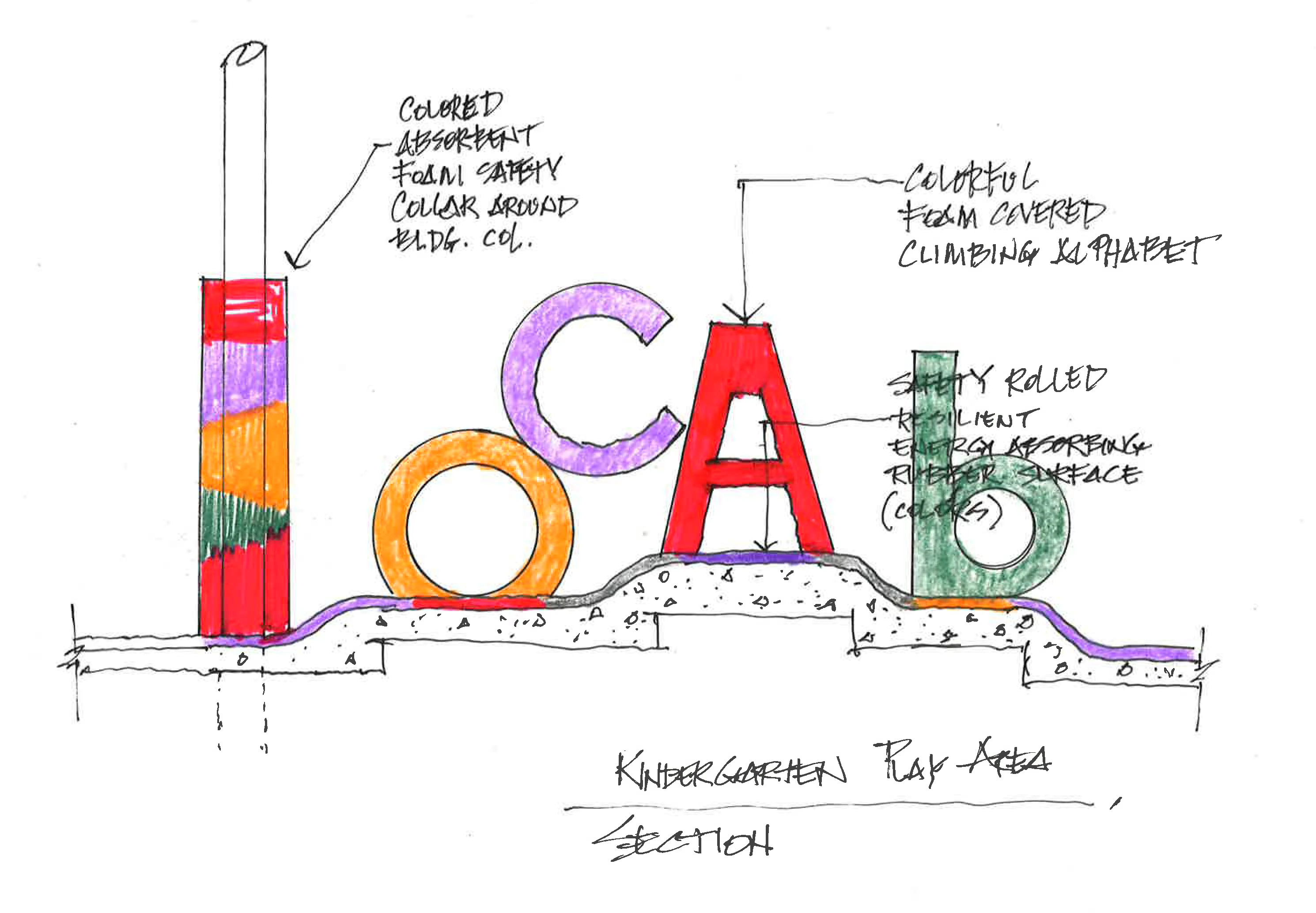
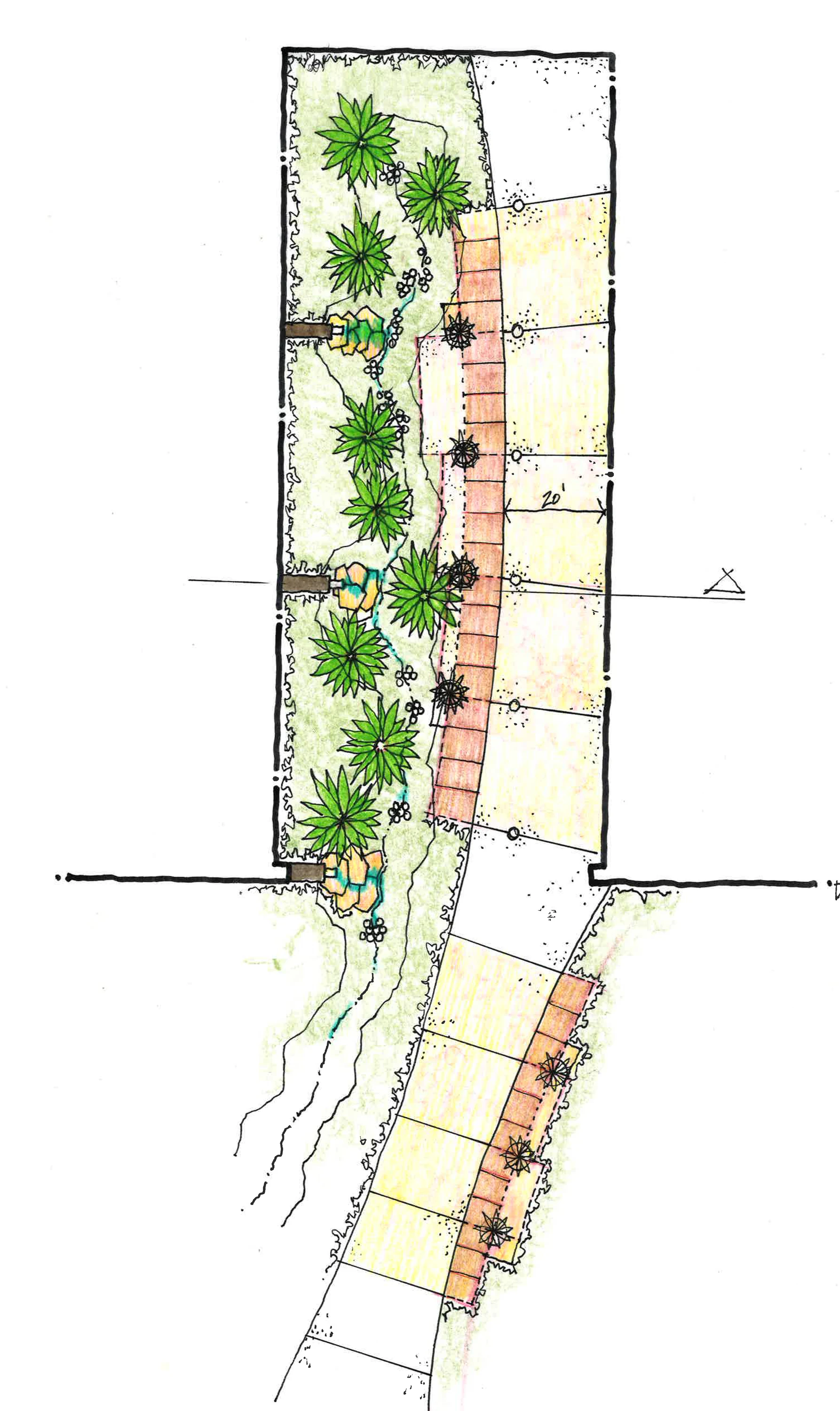
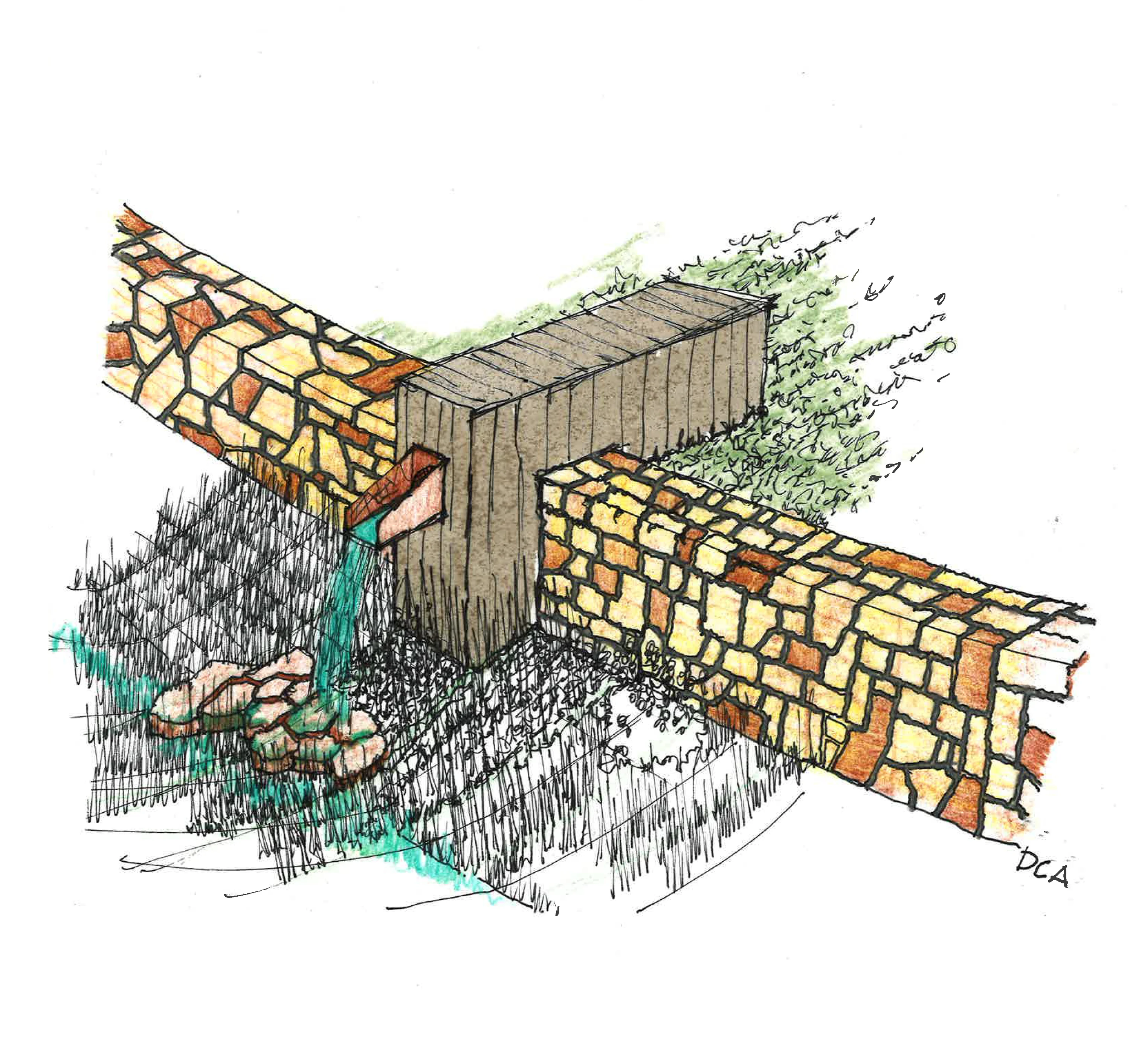
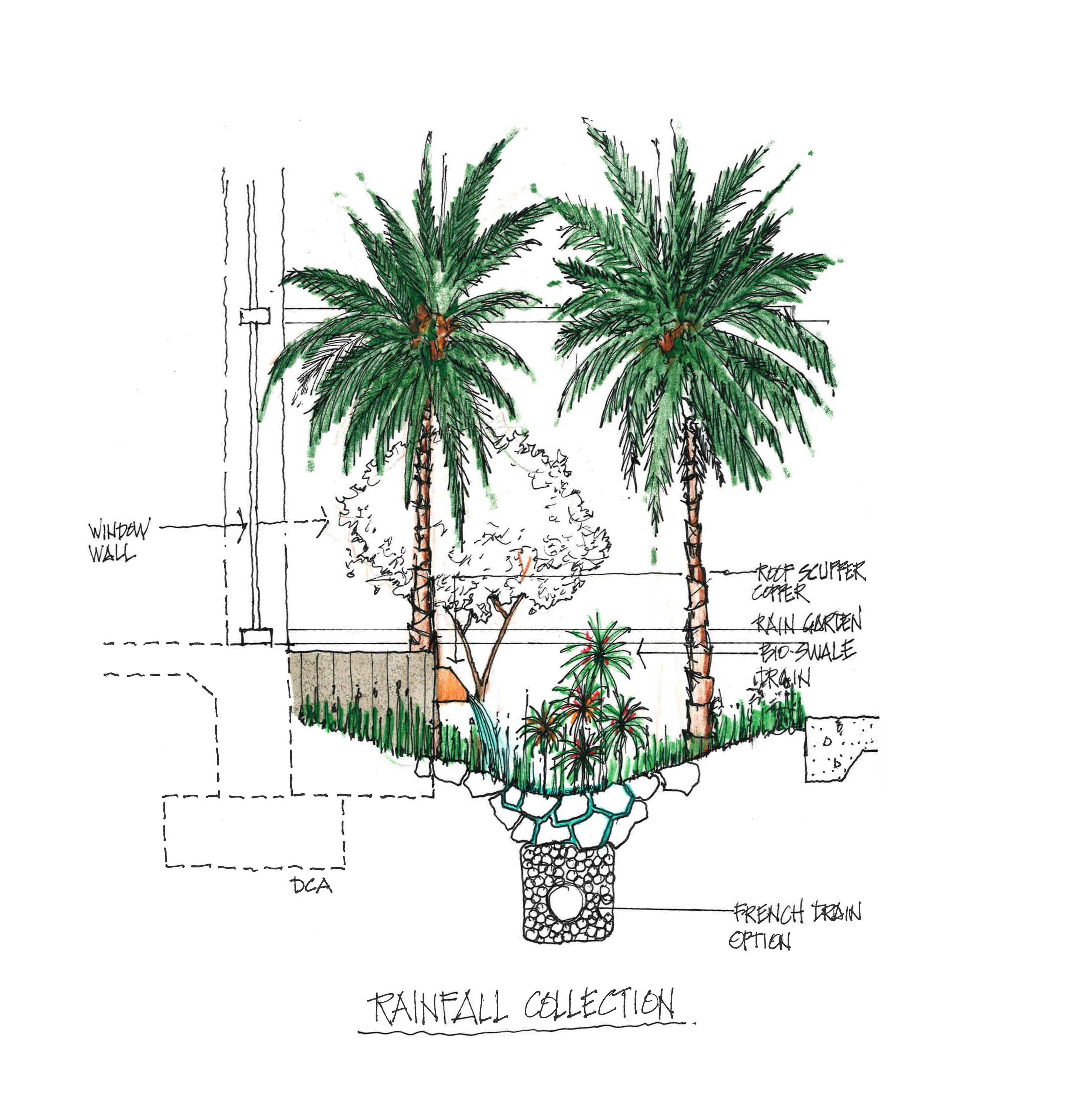
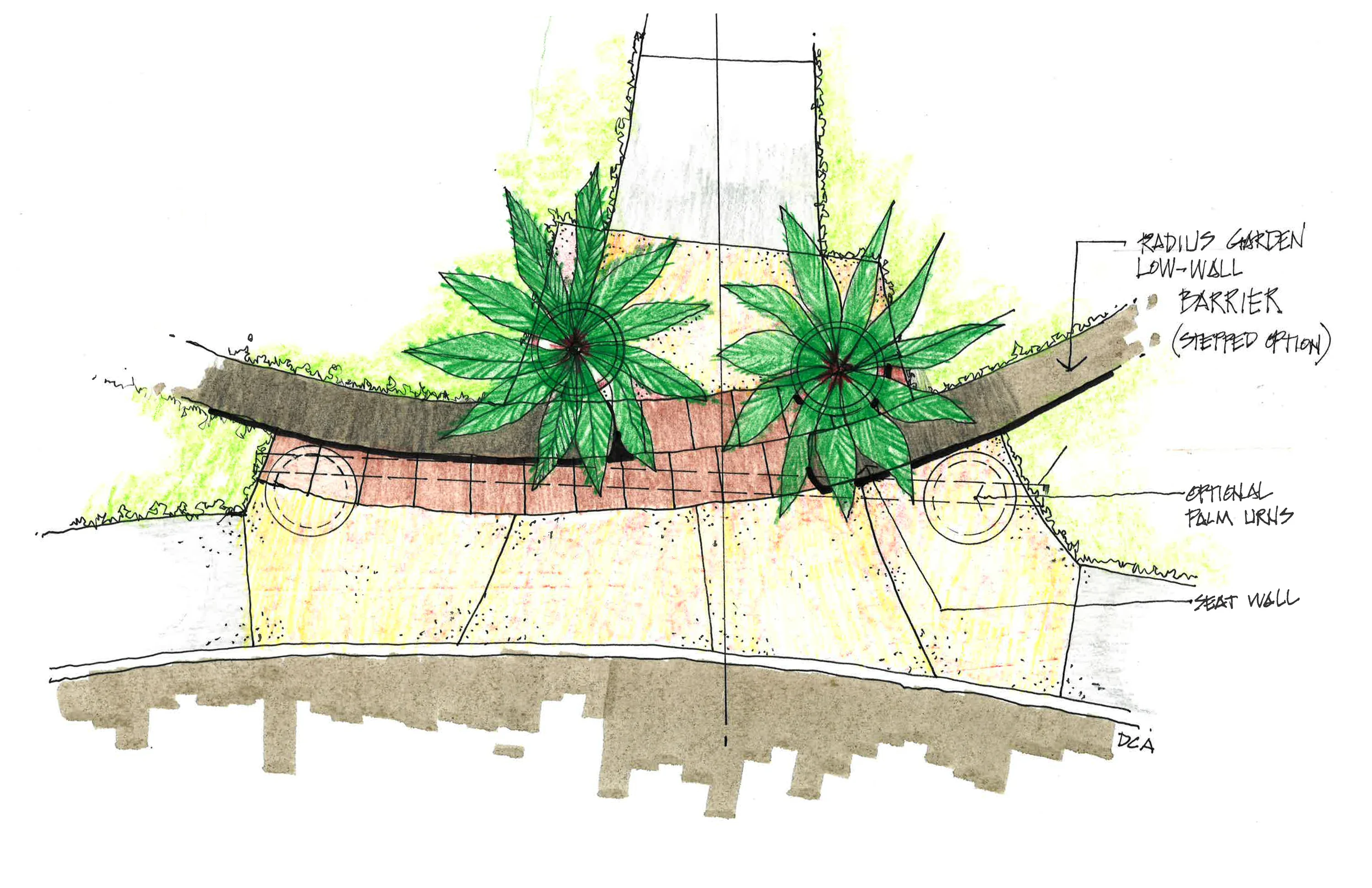
Age-specific play environments—from Pre-K through Middle School—meet Unified Facilities Criteria for safety and accessibility. Naturalized elements such as dry streams, stone seat walls, and legacy trees unify the campus and reinforce ecological stewardship. Stormwater strategies, drought-tolerant planting, preserved Puerto Rican Hat Palms, native canopy trees, and a green wall system strengthen long-term resilience.
Key Features
Outdoor learning spaces—including shaded courtyards, seating terraces, and educational gardens—are organized around clear circulation and secure visibility zones. Inclusive playgrounds provide developmentally appropriate recreation with impact-absorbent surfacing and naturalized play elements. Resilient planting and sculpted dry streams that convey roof drainage create visible stormwater features that support environmental education and site performance.
Impact
The redesigned campus will provide safe, inclusive outdoor environments that support learning, recreation, and community use. Environmental strategies will reduce maintenance needs, improve stormwater performance, and reinforce ecological identity while meeting federal safety and accessibility standards.